
Introduction
Stainless steel fasteners are one of the most widely used and trusted fastener materials in engineering, construction, marine, medical, and consumer applications.
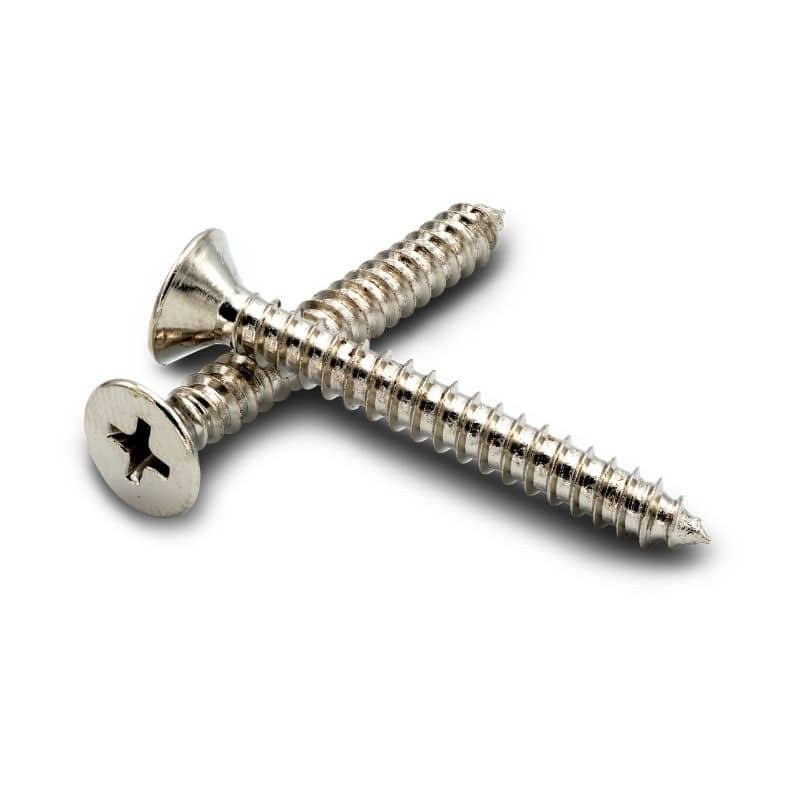
Known for their outstanding corrosion resistance, durability, clean appearance, and versatility, stainless steel fasteners offer a premium solution for challenging environments and long-term performance.
What is Stainless Steel?
Stainless steel is an iron alloy that contains a minimum of 10.5% chromium, which forms a passive oxide layer on the surface that prevents corrosion. Other alloying elements like nickel, molybdenum, and nitrogen enhance performance in harsh conditions.
- Austenitic (300 series)
- Martensitic (400 series)
- Ferritic
- Duplex
- Precipitation-Hardened
Why Choose Stainless Steel Fasteners?
Advantages
- Excellent corrosion resistance
- Hygienic and low-maintenance
- Temperature and chemical resistance
- Recyclable and eco-friendly
Disadvantages
- Higher cost than carbon steel
- May gall during tightening
- Lower strength than heat-treated steels
Common Types of Stainless Steel Fasteners
- Hex bolts, screws, machine screws
- Hex nuts, nylon-insert lock nuts
- Flat washers, spring washers
- Threaded rods, U-bolts, rivets
Stainless Steel Grades Comparison
| Grade | Description | Corrosion Resistance | Magnetic | Common Uses |
|---|---|---|---|---|
| 304 | General-purpose austenitic | Excellent | No | Construction, furniture |
| 316 | Marine-grade with molybdenum | Superior | No | Marine, chemical, food |
| 410 | Martensitic, heat-treatable | Fair | Yes | Tools, valves |
| 430 | Ferritic, budget-friendly | Moderate | Yes | Indoor decor |
Applications of Stainless Steel Fasteners
- Construction: curtain walls, bridges
- Marine: ships, docks
- Medical: equipment, surgical tools
- Food Processing: sanitary machinery
- Aerospace and Electronics
Corrosion Resistance & Finishes
Stainless steel’s chromium content enables a passive protective layer. For best performance, passivation or electropolishing may be applied. Grade 316 offers superior resistance in chloride-rich environments.
Comparison with Other Fastener Materials
| Material | Description | Strength | Cost | Appearance |
|---|---|---|---|---|
| Stainless Steel | Excellent | Medium | Moderate | Bright, natural |
| Carbon Steel | Low (uncoated) | High | Low | Zinc-plated |
| Titanium | Excellent | High | Very High | Silver-gray |
| Brass | Moderate | Low | Medium | Gold-yellow |
Frequently Asked Questions (FAQs)
❓ What is the best stainless grade for corrosion?
Grade 316, especially for saltwater and acidic exposure.
❓ Are stainless fasteners magnetic?
Austenitic grades like 304/316 are non-magnetic. 410 and 430 are magnetic.
❓Can stainless rust?
Yes, in aggressive environments, but much less than carbon steel.
❓ How do I prevent galling?
Use anti-seize compound and tighten slowly.
